


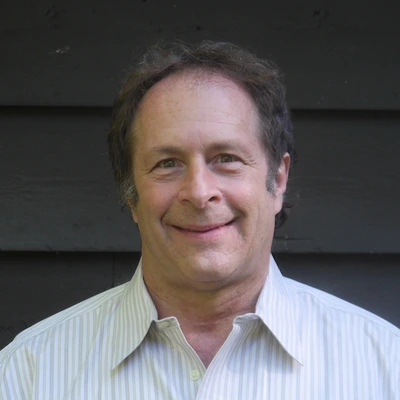
Who Is Rick Doblin
Rick Doblin (born 1953) is an American activist, researcher, and the founder of the Multidisciplinary Association for Psychedelic Studies (MAPS), the nonprofit organization that has done more than any other single entity to advance psychedelic-assisted therapy from countercultural aspiration to clinical reality. Doblin’s path was shaped by his own experiences with LSD and MDMA in the 1970s, which convinced him that these substances had legitimate therapeutic potential—and that the only way to make them legally available was to work within the regulatory system rather than outside it. He founded MAPS in 1986 with the explicit long-term goal of gaining FDA approval for MDMA-assisted psychotherapy, a goal that seemed wildly unrealistic at the time but which he pursued with extraordinary persistence for nearly four decades.
Doblin earned a doctorate in public policy from Harvard’s Kennedy School of Government, writing his dissertation on the regulation of the medical use of psychedelics and marijuana. Under his leadership, MAPS funded and coordinated the clinical trials that advanced MDMA-assisted therapy through Phase 1, 2, and 3 FDA trials for post-traumatic stress disorder (PTSD)—making MDMA the first psychedelic to reach the final stage of the FDA approval process. Along the way, MAPS also supported research on psilocybin, LSD, ayahuasca, ibogaine, and cannabis, and created training programs for psychedelic therapists. Doblin’s relevance to IMHU’s mission is primarily organizational and strategic: he demonstrated that visionary conviction and patient institutional work can move a stigmatized field from the margins to the center of mainstream medicine. His story is a case study in how paradigm shifts actually happen—not through rhetoric alone but through decades of regulatory navigation, coalition-building, and clinical evidence.
Core Concepts
- Working within the system to change the system: Doblin’s most distinctive contribution is strategic, not scientific. He recognized early that psychedelics would only become legally available through the same FDA approval process that governs all other medicines—and he committed his life to navigating that process. This meant conducting randomized controlled trials, meeting regulatory standards, building relationships with FDA officials, and accepting the slow pace of institutional change. His approach was the opposite of Timothy Leary’s confrontational style and proved far more effective at producing systemic change. (Wikipedia)
- MDMA-assisted therapy for PTSD: The flagship clinical application that MAPS championed. MDMA-assisted therapy combines the empathogenic effects of MDMA (increased empathy, reduced fear, enhanced trust) with structured psychotherapy sessions to help PTSD patients access and process traumatic memories that are normally too overwhelming to approach. Clinical trials showed dramatic results: in Phase 3 trials, approximately two-thirds of participants no longer met diagnostic criteria for PTSD after three MDMA-assisted sessions—outcomes far exceeding those of conventional treatments.
- The therapist-substance-set-setting model: Doblin and MAPS helped formalize the understanding that psychedelic therapy is not simply “drug administration” but an integrated model in which the therapeutic relationship, the preparation of the patient, and the physical and emotional environment are as important as the compound itself. This framework—now standard in the field—reflects a fundamentally different paradigm from conventional psychopharmacology, where the drug is expected to work regardless of context.
- Mass mental health and the post-prohibition vision: Doblin’s long-term vision extends beyond individual therapy to what he calls “mass mental health”—the idea that psychedelic-assisted therapy, once legalized and scaled, could address the global burden of trauma, addiction, depression, and existential distress at a population level. He has also advocated for legal contexts beyond clinical use, including supervised non-clinical settings, reflecting his belief that the therapeutic potential of psychedelics extends beyond psychiatric diagnosis.
- Transparency and open science: MAPS has been notable for its commitment to data transparency, publishing results openly and making clinical protocols available. Doblin has consistently argued that the credibility of psychedelic science depends on meeting or exceeding conventional standards of evidence—not on claiming special exemptions from scientific rigor.
Essential Writings
- MAPS Research Publications (various, 1990s–present): The clinical trial data from MAPS-sponsored studies, particularly the Phase 2 and Phase 3 MDMA-PTSD trials, constitute the most important body of evidence for psychedelic-assisted therapy. Best use: the primary scientific evidence base—essential for anyone who wants to engage with the clinical data directly.
- “A Clinical Plan for MDMA (Ecstasy) in the Treatment of Posttraumatic Stress Disorder” (Journal of Psychopharmacology, 2002, with others): An early articulation of the rationale and protocol for MDMA-assisted therapy for PTSD. Best use: the foundational document for understanding the clinical model MAPS developed.
- Rick Doblin’s public talks, interviews, and MAPS Bulletins (various): Doblin has been an extraordinarily prolific public communicator. His talks trace the evolution of psychedelic policy, the regulatory journey, and his personal vision. Best use: the best way to understand the strategic and political dimensions of the psychedelic renaissance—and the decades of work behind it.
Image Attribution
Rick Doblin’s staff photo, 1 November 2014. Source: http://maps.org. Author: MAPS. Link: https://commons.wikimedia.org/wiki/File:Rick_Doblin_-_MAPS.png