


Summary
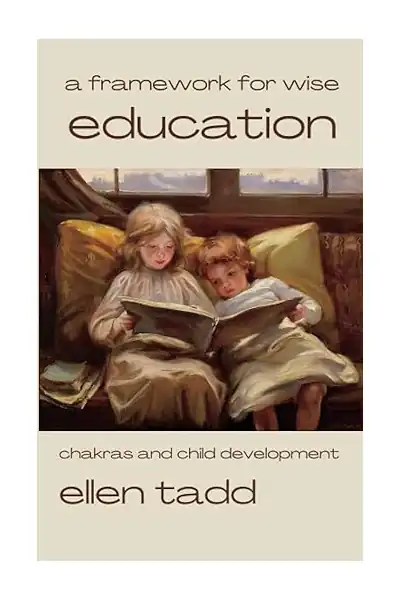
In "A Framework for Wise Education," Ellen Tadd takes a concept that might sound esoteric (the chakra system) and transforms it into something remarkably practical for anyone raising or teaching children. After forty years as a clairvoyant counselor and educator, Tadd noticed patterns in human development that mapped precisely onto the seven-chakra system from yogic tradition. What started as personal observation while raising her own children (inspired by how Jean Piaget studied his kids to develop his theories) evolved into a comprehensive framework for understanding how children grow, learn, and sometimes struggle.
Here's what makes this book different from the dozens of parenting and education philosophies competing for attention: it offers a genuinely holistic system that addresses the whole child rather than fragmenting development into disconnected pieces. Each of the seven chakras corresponds to a crucial aspect of human capacity (focus, self-confidence, emotional balance, discipline, creativity, compassion, inspiration), and Tadd shows how supporting healthy function in these energy centers translates directly into practical tools parents and teachers can use. The framework has proven compelling enough that it's now taught to thousands of educators through the nonprofit Creative Lives, with documented results in helping children develop focus, manage emotions, heal from trauma, and tap into capacities that conventional education often overlooks. Whether or not you're comfortable with the language of chakras and energy, the book offers actionable wisdom for helping children become thoughtful, creative, emotionally balanced human beings.
The Seven Developmental Factors
The genius of Tadd's approach lies in how she connects ancient wisdom about the chakra system to observable aspects of child development. Each of the seven major chakras governs a different dimension of human capacity. The crown chakra relates to inspiration, connection, spontaneity, and the capacity for happiness. The third eye (located at the forehead center) governs focus, concentration, wisdom, and discernment. The throat chakra connects to self-confidence, authentic expression, and love of learning. Moving down, the heart chakra influences compassion, courage, generosity, and good intentions toward self and others. The solar plexus (where you feel those butterflies) relates to emotional steadiness and empathy. The identity chakra in the lower abdomen governs creative expression and balance in relationships. Finally, the base chakra connects to self-discipline, responsibility, and the ability to work hard developing skills.
What makes this more than just a metaphysical theory is Tadd's observation that chakras can be dominant, diminished, or balanced in their expression. When a child struggles with focus, it often reflects diminished function in the third eye chakra. When a child can't seem to develop self-discipline, the base chakra may need strengthening. Depression, low self-esteem, emotional reactivity, lack of self-discipline - these common childhood challenges map onto imbalances in specific energy centers. By learning to recognize which chakras need support in a particular child, parents and teachers gain a diagnostic framework that points toward specific, practical interventions rather than vague advice to "do better" or immediate recourse to medication.
Beyond Conventional Education's Limitations
Tadd wrote this book because conventional education, despite well-intentioned reforms and countless new programs, keeps falling short of addressing the whole child. School systems fragment development into disconnected competencies (reading, math, behavior management, social-emotional learning) without an overarching framework for understanding how all these pieces fit together. The result? Kids who excel academically but can't manage their emotions. Children with beautiful hearts who lack the discipline to develop their gifts. Students who focus brilliantly but have no connection to inspiration or meaning. The chakra framework offers what conventional education lacks: a complete map of human development that shows how different capacities relate to each other and must be cultivated in balance.
This matters especially now, when pressures on children have intensified dramatically. Kids face challenges their parents never imagined, from social media's psychological assault to unprecedented academic competition to climate anxiety. Yet our educational systems keep doubling down on approaches that address only narrow slices of what children need to thrive. Tadd's framework doesn't reject what schools already do well. Instead, it provides a more complete structure that helps educators and parents recognize what's missing and understand why certain interventions work while others fail. When you see development through this lens, it becomes obvious why teaching a child mindfulness (third eye chakra work) without also building their capacity for discipline (base chakra) produces incomplete results.
Practical Tools for Real Challenges
The book doesn't leave you stranded in theory. Tadd provides specific techniques for strengthening each chakra's function, many of which have been refined through the Creative Lives program's work with thousands of children. Take focus and attention, which relates to third eye chakra function. Children with ADHD often show diminished activity in this center, struggling not just with concentration but also with discernment, clarity, and wise perception. Rather than immediately medicating (though Tadd doesn't reject medication when truly needed), the framework offers practices to strengthen this capacity: visualization exercises, techniques for shifting from reactive to receptive states, strategies for helping children access that calm, clear awareness associated with healthy third eye function.
Or consider emotional regulation, which connects to solar plexus chakra health. Tadd offers tools for helping children who get emotionally hijacked (a sign of dominant solar plexus function) learn to shift into more balanced states. She's developed something called the Tadd Technique specifically for helping both children and adults move from anxiety and upset into wise perception. These aren't vague suggestions to "breathe deeply" or "think positive." They're specific practices grounded in understanding how the energy system actually functions. Teachers trained in the framework report dramatic changes in children who previously seemed unreachable through conventional approaches. The tools work because they address the underlying energetic patterns driving surface behaviors rather than just trying to manage symptoms.
Healing Trauma Through Energy Awareness
One of the framework's most valuable applications involves helping children process and heal from trauma. Tadd defines trauma simply as "an inability to let go of an unwanted experience," which shifts focus from whether an event seems objectively traumatic to how it affects a child's system. A seemingly minor incident might create lasting patterns if a child's energy system can't process and release it. Conversely, children with strong, balanced chakra function often move through difficult experiences with remarkable resilience.
The framework provides specific insight into how trauma disrupts particular chakras depending on the nature of the experience. Betrayal or abandonment might impact heart chakra function, manifesting as difficulty trusting or opening to others. Experiences of powerlessness might diminish solar plexus function, showing up as emotional instability or people-pleasing. Sexual trauma typically affects the identity chakra in the lower abdomen. By understanding which centers have been impacted, adults can offer targeted support rather than generic therapy. More importantly, children can learn these tools themselves, gaining the capacity to shift from reactive states (where they're locked in trauma patterns) to receptive, wise perception where healing becomes possible. Teaching these skills early gives children resources they'll use throughout life, preventing trauma from calcifying into fixed personality patterns or chronic mental health conditions.
A Whole-Person Approach for Challenging Times
What ultimately makes this framework compelling is how it addresses the crisis many parents and educators feel about raising children in this particular moment. We sense that something fundamental is off in how we're approaching child development, but most solutions offered feel either too narrow (another behavior management system) or too vague (general exhortations about wellbeing and mindfulness). Tadd offers genuine synthesis: a framework that's both comprehensive and practical, ancient in its roots but immediately applicable to contemporary challenges.
The book suggests that many problems we pathologize as disorders might be better understood as imbalances in the energy system that can be addressed through cultivation rather than correction. A child diagnosed with ADHD might primarily need strengthening of third eye and base chakra function rather than lifelong medication. An anxious child might need support developing solar plexus steadiness. A child who seems unmotivated might actually need work on crown chakra connection to inspiration and meaning. This doesn't mean denying real struggles or refusing medical intervention when appropriate. It means having a richer vocabulary for understanding what's happening and more tools for responding. As the world grows more complex and demands on children intensify, the framework offers something increasingly rare: genuine hope grounded in practical wisdom rather than wishful thinking. It takes the whole child seriously, offering a complete developmental map for an age that desperately needs one.