Mental Health Education in Schools

Mental health education lessons are coming to the national curriculum [UK]. Teachers should be empowered to acknowledge that mental health is a contested area, argues psychologist and lecturer Anne Cooke. Ask students what they think, encourage critical thinking and enquiry...
Mental Health Education and Mental Distress
What is a mental health problem? Are some of us mentally well and others of us mentally ill - because something has gone wrong in our brain that needs fixing by an expert? Or are we all just different, with different experiences, different areas of strength and difficulty, and all, at any one point in time, somewhere on a spectrum of wellbeing? And, if experts differ in their views on these questions, what is ‘mental health education’ actually educating students about?
The draft guidance suggests that school pupils should be given ‘factual information about the prevalence and characteristics of more serious mental health conditions’. The problem is: mental health is a contested area. Scientists and clinicians don’t agree about what the ‘facts’ are.
Consider Depression
Let’s take depression. If you believe some medical or pharmaceutical websites, depression is a disease where brain chemicals are out of balance. However, the British Psychological Society’s publication ‘Understanding Depression’ suggests that ‘depression is best thought of as an experience, or a set of experiences, rather than as a disease… calling it an illness is only one way of thinking about it, with advantages and disadvantages.’ So, the idea that depression is an ‘illness like any other’ caused by low serotonin levels remains hotly contested.
Visions For Mental Health Education Curriculum
Be honest about the unknowns. Start with one of the few undisputed facts: that mental health is a contested area. Discuss different experiences – feeling low, feeling anxious, hearing voices, harming yourself and so on – without imposing a particular framework of understanding. Acknowledge that there are different views and that different people experience these things for different reasons. Ask students what they think, encouraging critical thinking and enquiry.
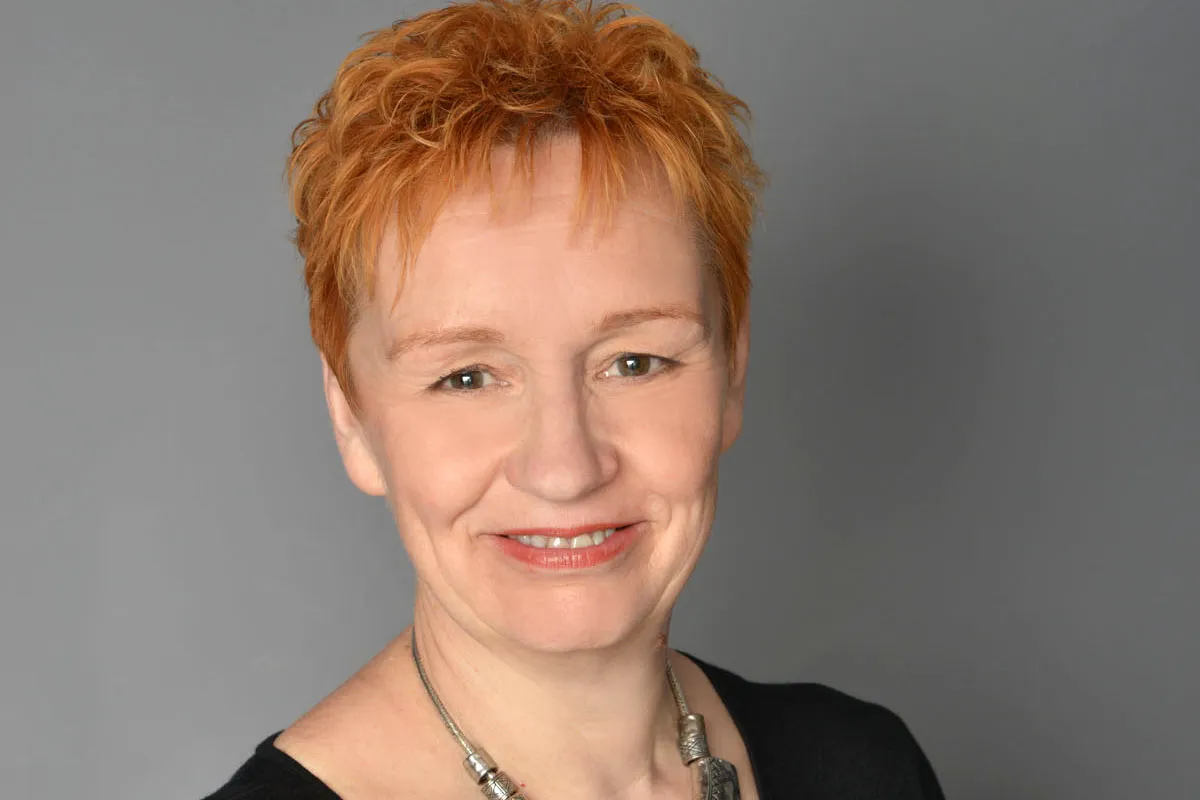
Author: Anne Cooke is Principal Lecturer, Department of Psychology, Politics and Sociology and Joint Clinical Director, Doctoral Programme in Clinical Psychology, at Canterbury Christ Church University. First published 01 February 2019 in Mental Health Today.