Spirit Release: Can Psychiatry Get Behind This?
Spirit Release: Can Psychiatry Get Behind This?
Spirit Release and Psychiatry
Do you know anyone who suffers from patterns of negative thinking that just won’t go away, e.g. resentments, desire for revenge, self-hatred? At its worst, this can lead to obsessive thinking, night and day. The mind fills with negative thoughts like “I’m inadequate.” “I should be different than I am.” “I’m going to make someone else suffer”, or “I want to kill myself.”
Trying to change one’s pattern of thinking may be easy for some but can seem impossible for others, even with CBT and a good psychotherapist.
Spirit Release in the USA
“The influencing spirits can have a variety of behaviors, but are often lost, confused, or stuck at the time of their death.”—Kerri Husman, MD (psychiatrist)
The notion of “Depossession” aka “Spirit Release” is coming of age in the USA. The idea is that the spirit of a person who has passed away can attach itself to a human being, and add energy to their negative thinking patterns. The pattern of thinking then persists despite all therapies. Examples: A person who is inclined to drink alcohol may feel more drawn to drink more. Someone feeling resentment towards a prior friend may feel the courage to go after them and hurt them. An effective depossession can detach the negatively motivated spirit and usher them into a higher state of consciousness. This relieves the human being as well as liberating the spirit. The person-in-body is now able to complete the work of fully letting go of the negative pattern of thinking and behaving that is no longer extreme.
In the USA, depossession is typically done by an individual practitioner with their client/patient present. A fee is charged for the spiritual intervention. The practitioner may work with their own spirit guides in what is often termed a “ceremony” that uses drumming, singing, and other elements, like fans made of feathers, which we often associate with shamanic practices. Does this sound too woo-woo to be taken seriously?
Some individual psychiatrists in the USA are trained in doing depossession and may even teach it as a protocol to use with patients. Kerri Husman, MD published an article about her work: https://awakenedmagazine.com/healing-through-compassionate-depossession-a-shamanic-perspective-kerri-husman/ She offers workshops as guest faculty for the Foundation for Shamanic Studies: https://www.shamanism.org/
Spirit Release in Brazil
Spiritist groups in Brazil have been developing their form of releasing spirits from human beings for more than 130 years via “disobsession”. Their practice was inspired by the writings of an academic, Allan Kardec, in France. Disobsession is practiced in Spiritist Community Centers and Spiritist Psychiatric Hospitals in Brazil. The Spiritist disobsession practices are not part of any religion or cult but align with a way of life that supports human evolution.
Disobsession is offered to individuals who don’t respond well (heal) through personal therapy, group therapy, and other therapies offered by psychologists and psychiatrists as well as energy work, similar to Reiki. Disobsession is always authorized by the individual; however, the person is generally not present during the work.
The disobsession is typically done by a group of highly trained mediums and supervised by their mentor. After a group meditation, one or more mediums connect with the spirit attached to the person who is suffering. The medium gives voice to the spirit (identity, situation, intention to stay attached). Once this information has been gained, another medium guides the spirit compassionately into the light of love. The team senses and acknowledges the release and returns to a more positive meditative state.
The patient also feels the release and usually benefits by feeling more balanced and at peace.
This group intervention is free to the client/patient. The supervisor ensures mediums are balanced and present in ordinary consciousness before leaving the session. Energy work similar to Reiki is available if a medium feels depleted. In the hospital setting, notes from the disobsession are added to a patient’s file to offer perspective to other healthcare providers regarding diagnosis and treatment.
One Brazilian psychiatrist, Alexander Moreira-Almeida, has been prolific in writing about the role of spirituality in mental health. A recent book “Science of Life after Death” (SpringerBriefs in Psychology) was published in 2022. (Amazon listing may vary; example: https://www.amazon.com/dp/3031060555)
What About Exorcism?
In esoteric Catholicism some priests are trained to do exorcisms as part of their service. The priest uses prayer and religious symbols, like the cross, calling on the negatively motivated spirit to leave an individual. Prayers are often rooted in sending the spirit to “hell” or destroying it—as it is believed to be part of the devil. This conflict-based ritual has been dramatized by Hollywood films.
“The Exorcism of Emily Rose” (2005) is a supernatural horror film; it rested on an earlier film, “The Exorcist” (1974). Spirit Release differs from Exorcism in that it liberates both the human being and the spirit to a life of more self-acceptance and love.
Does Psychiatry Endorse This?
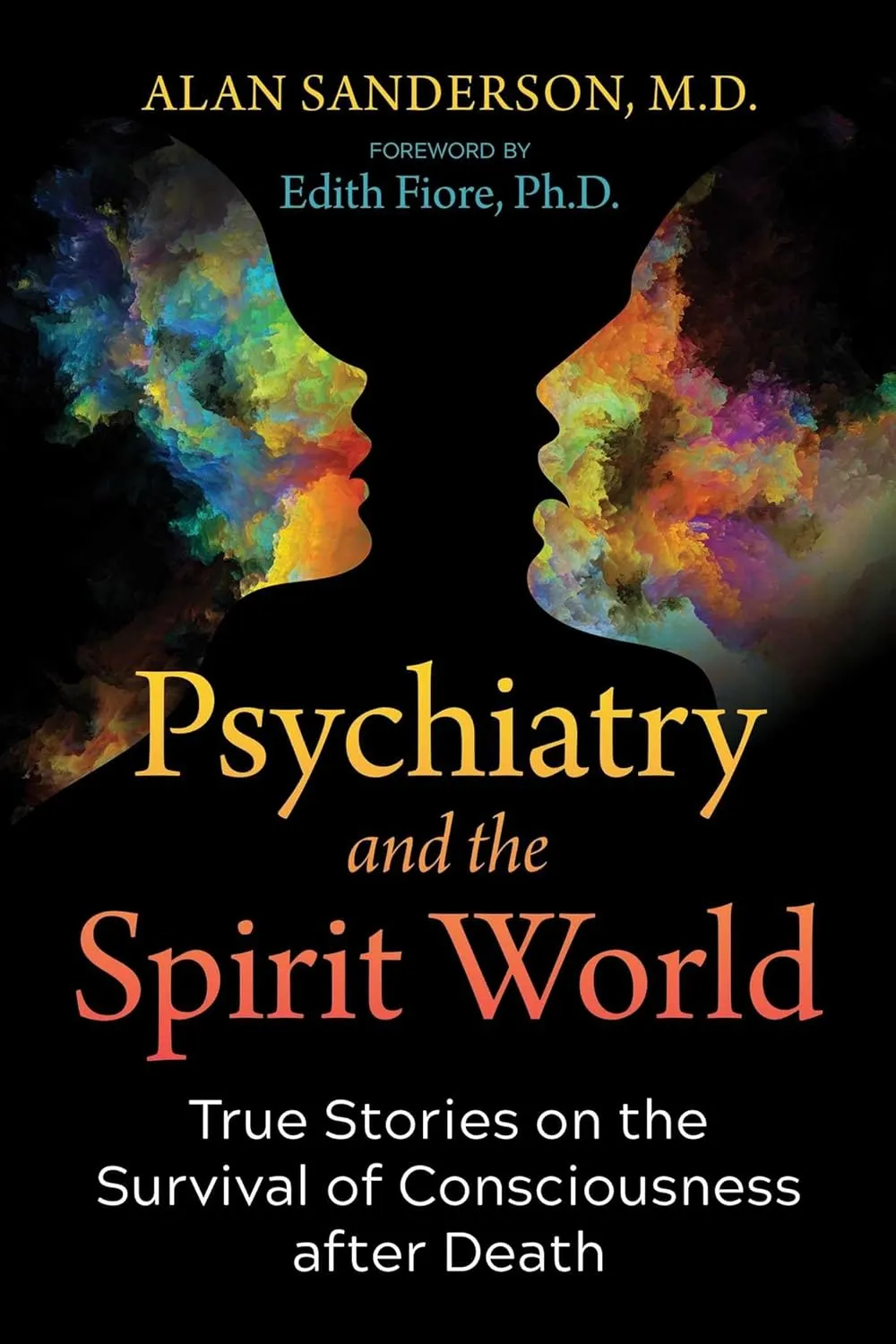
“Spirit attachment appears to be a common phenomenon, with an important role in many forms of emotional disorder.” –Alan Sanderson, MD
Spirit release practices are based on the belief that spirits exist independent of a physical body and that we are destined to return to our maker (a loving God, aka the Light). These practices rely on meaningful interaction between spirits of the dead and human beings. As more psychiatrists and healthcare providers accept positive results of disobsession and depossession, these techniques may be added to bio-psycho-social and spiritual care.
UK psychiatrists may be showing the way to dovetail psychiatry and spirituality. The Royal College of Psychiatrists’ Spirituality and Psychiatry Special Interest Group: https://www.rcpsych.ac.uk/spirit
Alan Sanderson co-founded the Foundation for Spirit Release (1999). The Spirit Release Forum remains active: https://www.spiritrelease.org/ An article: https://regressionjournal.org/jrt_article/spirit-release-in-clinical-psychiatry-what-can-we-learn-alan-sanderson-is-27/
If you want to reflect more on depossession, disobsession, and spirit release—or be trained in offering this therapy—the authors cited in the article and their YouTube talks are recommended.
One outstanding byproduct: As we become more understanding of spirit-human interactions, we may also choose to interact with highly evolved spirits who can help us develop and maintain positive patterns of thinking. Brazilian Spiritists and sages of the Far East have been doing this for years—even centuries.
Author: Emma Bragdon, PhD, leads annual 7-day seminars exploring Spiritist Therapies in Brazil. Info: https://courses.imhu.org/courses/2025-weeklong-seminar-in-brazil-spiritist-therapies-in-brazil
RESOURCES AT IMHU FOR FURTHER LEARNING
Karen Lawson, MD, ABIHM (University of Minnesota’s Center for Spirituality and Healing) teaches “Foundations of Shamanism and Shamanic Healing” and teaches an IMHU course that includes a one hour webinar, “Improve Mental Health Through Shamanism.” Learn more: https://courses.imhu.org/courses/shamanism-improves-mental-health